
Trial graphics — also known as litigation graphics — have become an essential tool in modern courtroom presentations. The visual impact of well-designed demonstrative exhibits cannot be overstated. In today’s courtrooms, where cases regularly involve complex procedures, detailed timelines, or highly technical evidence, visuals provide the clarity that words alone cannot deliver. They help jurors, judges, and mediators process information accurately and retain what matters most.
The Trial Concierge creates persuasive litigation graphics that simplify even the most complex cases. Beverly “Splash” Abbott and the Trial Concierge team have spent decades building courtroom visuals that support trial strategy — from detailed timelines to process illustrations and demonstrative exhibits. Our graphics are designed not just to inform but to persuade, giving your case the visual foundation it needs to win.
What Are Trial Graphics?
Trial graphics are visual tools used in courtroom presentations to make information clear, organized, and compelling. They have evolved significantly from the oversized boards and flip charts of earlier decades. Today, litigation graphics are developed using precision design software and presented through courtroom technology systems that allow for real-time annotation, layering, and adaptation during testimony.
The shift from physical to digital has made trial graphics more precise, more flexible, and far more impactful. Modern litigation graphics can be updated between hearings, adapted to reflect new testimony, and calibrated to the specific dynamics of the courtroom and jury pool your case faces. That adaptability is a strategic advantage that attorneys in high-stakes litigation increasingly rely on.
Why Trial Graphics Are Essential in Modern Litigation
Jurors are asked to absorb and evaluate enormous amounts of information — much of it technical, unfamiliar, or emotionally charged. Trial graphics provide the structure that makes complex case details accessible. A well-designed timeline, medical illustration, or process diagram can communicate in seconds what would take paragraphs of testimony to explain, and it leaves a lasting impression that words alone rarely achieve.
Turning Complex Ideas Into Clear Messages
When jurors encounter information that feels overwhelming or too technical to follow, courtroom visual aids step in to bridge the gap. An illustration can show how a medical procedure works or how an industrial process failed. A timeline helps jurors connect the dots by laying out a sequence of events in a way that is easy to follow and hard to dispute.
Visuals also give arguments greater persuasive weight. When one side uses clear, well-constructed graphics, it adds credibility and coherence to their narrative. Strategic litigation graphics help attorneys build the kind of courtroom presentation that resonates with jurors and reinforces the case story at every turn.
Influencing Decision Makers With Strategic Design
The way graphics are designed shapes how jurors perceive the information they contain. Expert witnesses often present technical facts that can feel abstract or distant to jurors without scientific backgrounds. Adding visuals transforms that testimony into something tangible and relatable. A well-designed diagram showing how an accident affected a person’s health, for instance, gives the injury a human dimension that statistics alone cannot convey.
Strategic trial graphics also bring the case story to life in a way that connects emotionally with jurors. A visual that integrates seamlessly with the attorney’s argument becomes part of the persuasive fabric of the case rather than a standalone presentation aid. That integration is what separates impactful litigation graphics from ordinary slides.
What Makes Trial Graphics Highly Effective?
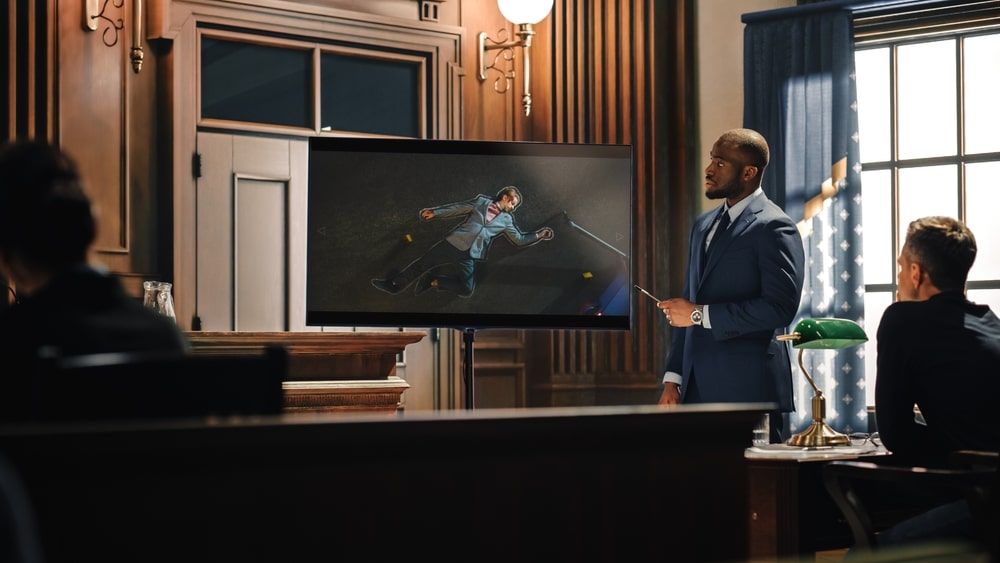
Trial graphics built for the courtroom differ fundamentally from standard business presentations. They are designed with the specific demands of litigation in mind — the case facts, the legal arguments, the judge’s rulings, and the composition of the jury. This tailored approach ensures graphics avoid evidentiary objections and comply with courtroom procedures while maximizing their persuasive impact.
Litigation graphics also serve a structural function in the courtroom. They help attorneys focus their presentation on the most critical points, organize complex evidence into a coherent sequence, and keep jurors oriented through the phases of a long trial. Their flexibility is a significant advantage — they can be updated quickly to reflect new information, testimony changes, or feedback from the judge.
By combining visual clarity with legal strategy, well-crafted trial graphics create a lasting impression in the courtroom. They make even the most complicated cases accessible, proving that purposeful visuals are one of the most powerful tools available in high-stakes litigation.
Our Litigation Graphics Services
The Trial Concierge builds litigation graphics that serve as practical tools for presenting arguments — not just visual decoration. Beverly’s approach to courtroom visuals draws on decades of experience in actual trials, which means every graphic is designed with the jury’s perspective and the attorney’s strategy in mind simultaneously.
Timelines, Evidence Boards, and Illustrations
We create timelines that clearly establish the order of events — particularly valuable in cases where sequence is central to the legal argument. For technical or scientific evidence, we develop graphics that simplify difficult concepts without losing accuracy. When the case calls for it, we incorporate animations, storyboards, or other visual formats to make complex processes engaging and understandable to a lay audience.
Video and Photography Integration
Photos, video clips, and expert highlights can bring a case to life in ways that documents alone cannot. The Trial Concierge integrates multimedia elements in compliance with courtroom admissibility standards. The goal is always clarity — helping jurors connect with the narrative and retain the most important details of your case.
How We Work With Trial Teams
At The Trial Concierge, effective litigation graphics come from genuine collaboration. We partner with attorneys, consultants, and expert witnesses to develop a clear understanding of what each case requires visually. Together, we determine which elements need visual support, what level of complexity the jury can handle, and how the graphics can reinforce the overall case theme rather than distract from it.
We stay involved through every stage of the trial process. Early involvement allows us to ensure our graphics align with the overall case strategy and narrative from the beginning. As the trial date approaches, we conduct review sessions and mock presentations to test how the visuals land and make adjustments based on feedback.
This collaborative, iterative approach ensures that the final graphics are not just polished — they are genuinely adapted to the courtroom conditions your case will face. Ultimately, the goal is to build Beverly’s clients’ confidence in their presentation. When the visuals are aligned with the case and tested against a real audience, attorneys can present with clarity and conviction.
Why Attorneys Rely on Our Trial Graphics
Courtroom-Tested and Jury-Focused
The Trial Concierge’s litigation graphics are built to make an impact in the courtroom, not just on a screen. Every design decision is made with jurors and judges in mind — how they process visual information, what they retain, and what creates the clearest understanding of the key facts. Every graphic serves the trial’s goals, not just aesthetics.
Beverly’s decades in actual courtrooms — staying from opening statements through verdict — means our graphics are informed by real courtroom dynamics, not theoretical models. That experience shapes designs that work under the pressure of a real trial.
More Than Just Visuals — A Trial Strategy Tool
Our litigation graphics do more than simplify information. They are a functional component of the legal strategy — supporting the narrative, reinforcing key arguments, and helping ensure the official trial record reflects the case as intended. When cases involve complicated technical or medical concepts, our visuals translate that complexity so the jury receives the message exactly as the attorney intends it.
Ready to Present Your Case More Effectively?
The Trial Concierge builds trial graphics that bring your case to life — from timelines that establish a clear sequence of events to visuals that make complex evidence accessible to any jury. Beverly and the team work closely with trial attorneys to ensure every graphic aligns with your strategy and strengthens your narrative at every stage of the case.
With full support from early preparation through the final day of trial, the goal is a presentation that is not just polished but genuinely persuasive. Reach out today and partner with The Trial Concierge to present your case with clarity and impact.
Frequently Asked Questions About Trial Graphics