

As a lawyer advocating for the rights of their client in court, your job is to make sure the judge or jury understands your argument and remembers the important details that strengthen your case. Visual storytelling can go a long way in helping you achieve that. People naturally connect with stories, and using visuals can make those stories clearer and more powerful.
Visual storytelling helps turn complicated information into something simple and relatable, making it easier for jurors to follow your argument and stay engaged. By combining visual aids with courtroom presentation, you can make your case stronger and leave a lasting impression. At The Trial Concierge, we specialize in helping attorneys bring their cases to life through thoughtful, impactful visual strategies.
Why Visual Storytelling Matters In Court
In a courtroom, presenting facts alone often falls short of convincing a jury. It’s not just what you say; it’s how you say it and show it. Visual storytelling offers an edge, turning abstract information into something tangible and memorable. In the context of legal proceedings, visuals aren’t mere accessories, they’re tools of persuasion and clarity. They help bring a case to life.
Helping Jurors Understand and Retain Information
Jurors are regular people. Many have little or no experience with legal terms or technical evidence. To make your case persuasive, you need to present information in a way that’s easy to follow. This is where The Trial Concierge comes in. We design charts, animations, and timelines that make complicated details simple and easy to grasp.
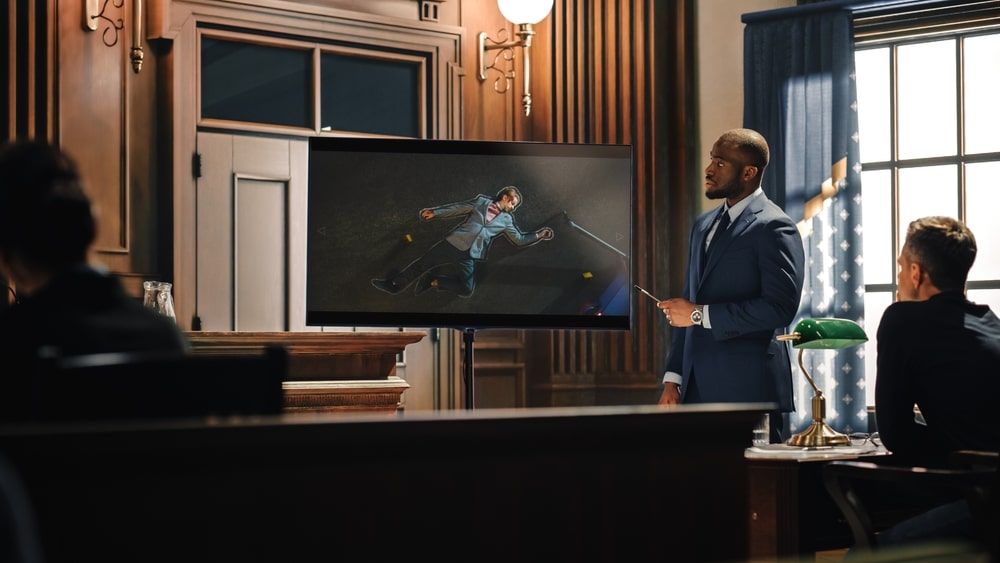
Think about showing how an accident happened. An animated clip explaining the sequence step by step leaves a stronger impression than words alone. Visuals also help jurors remember what they saw. Research shows that visuals stick in people’s minds longer than just spoken information. When jurors recall the vivid visuals we create, it helps solidify your arguments during their deliberations.
The Human Brain and Visual Learning
The human brain processes images faster than words. At The Trial Concierge, we know how to tap into this natural ability. People connect with visuals instantly, they make information easier to understand without overloading the brain.
For example, let’s say you need to explain the timeline of a case. A simple graphic showing the events in order is far more effective than a lengthy verbal explanation. When your visuals speak directly to how jurors’ brains naturally work, your message becomes clear and convincing. We help lawyers use this advantage to present their cases in compelling ways.
Tools Used In Courtroom Visual Presentations
You can use different types of tools in courtroom visual presentations, but the choice of tools is something you want to consider carefully. The tools you select should not only suit the needs of your case but also work seamlessly to deliver your argument in a clear and impactful way.
Trial Presentation Software and Hardware
Using trial software makes courtroom presentations smooth and clear. This software combines visuals like maps, timelines, and charts to keep everything organized. It also lets you highlight important details or zoom in on key points, so jurors stay focused on what matters most.
By creating a structured flow of information, trial software ensures that compelling arguments are delivered in a way that jurors can easily follow. Hardware, like projectors and touchscreens, helps display these visuals clearly for everyone in the room. Reliable tools and good preparation make sure everything works during your trial without interruptions or technical setbacks.
Types of Trial Visual Aids
Visual aids are used to explain your case simply and effectively. Trial graphics are perfect for showing numbers clearly, making complex data easy for jurors to understand. Timelines help show the order of events, making it simple to follow what happened and when. Animations can recreate scenes or processes, helping jurors see a detailed and accurate depiction of events.
A video or 3D model is especially useful for explaining complicated topics, like medical procedures or technical designs, in a way that makes them easy to grasp. Picking the right visual aids ensures that every detail is presented clearly and helps jurors remember key points later on.
Visual Techniques that Persuade
Visual aids help in the courtroom, but not all visual techniques are the same. You need to select and execute methods that engage, inform, and persuade effectively. From storyboarding the argument to simplifying intricate concepts, impactful visuals can be the difference between confusion and clarity.
Storyboarding the Case
Creating a compelling narrative for the courtroom begins with effective storyboarding. Storyboarding helps attorneys map out the flow of information and ensures that every piece of evidence aligns with the central argument.
By visualizing the structure of the case, lawyers can present their story cohesively, guiding the jury through the facts in a logical sequence. It’s an approach often emphasized by professionals like The Trial Concierge, where detail-oriented preparation turns abstract legal theories into engaging, visual representations.
Making Complex Issues Clear
Some cases hinge on intricate issues that can overwhelm or confuse a jury. Breaking these down visually simplifies them, making the key points more accessible. Illustrative charts, timelines, and infographics can be essential in translating complicated ideas into formats that resonate with jurors. Visual storytelling doesn’t just inform; it engages, ensuring jurors stay focused and retain critical details.
Avoiding Common Pitfalls In Visual Presentations
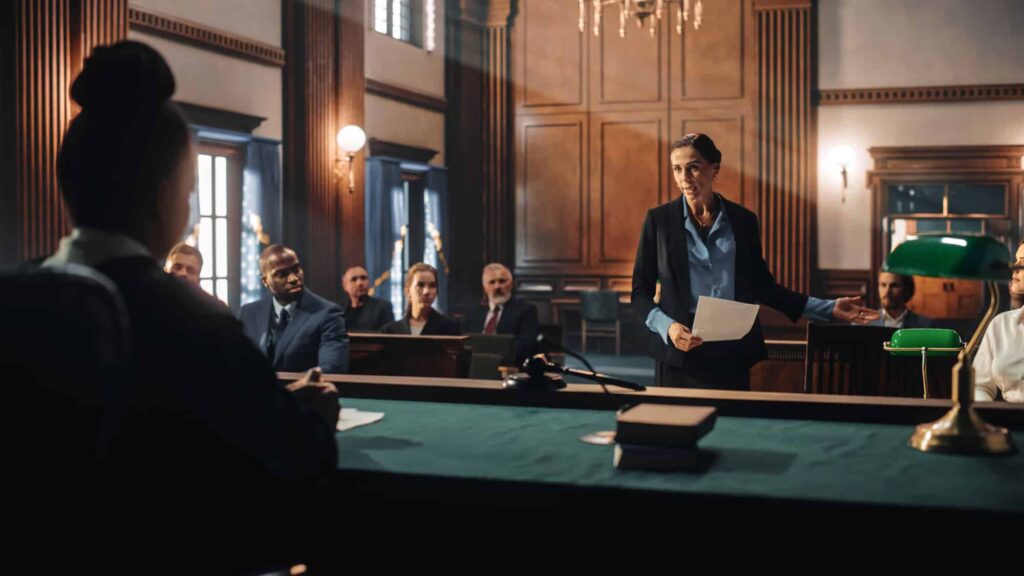
Relying on visuals in the courtroom can enhance a case’s persuasiveness, but executing them improperly can undermine their intended effect. Poorly planned or overly complex visuals can distract jurors, dilute the argument, or even damage the presenter’s credibility. It’s essential to recognize the potential missteps and address them proactively.
One of the most common mistakes is overloading slides with dense text or irrelevant details. Jurors aren’t likely to read through blocks of information while also listening to an argument. Overwhelming them with excessive text risks turning an impactful presentation into a tedious lecture. Instead, a focus on concise, well-targeted messaging ensures that each visual serves its purpose effectively.
Another challenge arises when legal presentation graphics are unnecessarily intricate or visually chaotic. Crowded layouts, mismatched fonts, or an overuse of animations can confuse jurors rather than aiding their understanding. Visuals must simplify, not complicate, the message. Clean, structured designs with intuitive flow keep jurors engaged and make the narrative easier to follow.
Relevance is another critical factor that cannot be overlooked. Including visuals that are tangential or disconnected from the argument risks diverting jurors’ attention away from the key points. Each visual element must align closely with the central narrative to reinforce, rather than disrupt, the case’s flow. Clarity and focus remain indispensable throughout the presentation.
A pitfall that’s often underestimated is the failure to integrate visuals seamlessly with spoken arguments. If visuals don’t support or directly correspond to what the attorney is saying, they can confuse jurors instead of enhancing their understanding.
Working with a Trial Visuals Team
Attorneys often face the challenge of translating complex evidence into graphics that are both accessible and persuasive. This is where a specialized trial visuals team can transform courtroom presentations into compelling narratives.
Collaboration With Experts
Achieving success in courtroom visual storytelling often hinges on the expertise of skilled professionals. Collaborating with a dedicated team experienced in Visual aids for litigation can ensure the seamless integration of compelling imagery into your legal strategy.
Experts in this field excel at simplifying complex legal concepts, distilling them into designs that aren’t only clear and digestible but also persuasive. This collaboration provides the advantage of turning intricate ideas into visually compelling narratives that resonate with jurors. The Trial Concierge stands at the forefront of these efforts, connecting attorneys with proficient experts who tailor visual solutions to each case’s needs.
Custom Visuals For Your Litigation Strategy
In high-stakes litigation, generic templates or standardized visuals lack the impact necessary to persuade jurors effectively. Every case presents its own challenges, requiring visuals that address its nuances.
Custom visuals, whether they involve detailed medical diagrams, vivid reconstruction animations, or intricate financial breakdowns, enhance credibility and professional presentation. These tailored graphics translate complex evidence into accessible formats, aiding jurors in comprehending and trusting the argument presented.
The Trial Concierge champions this approach, ensuring visuals aren’t just functional but transformative in driving the litigation process forward. Our team can help you with jury selection strategy, mock jury services, and other aspects of trial preparation.
Planning Your Visual Courtroom Strategy
A compelling visual strategy demands careful planning and foresight. Attorneys must assess evidence, anticipate counterarguments, and determine precisely how visuals can amplify their case.
Effective planning guarantees that each graphic serves a distinct purpose, weaving seamlessly into the broader narrative. Timelines, demonstrative exhibits, and other visual aids must coalesce into a unified strategy tailored to the jury’s perspective. This intentional approach reinforces the attorney’s points while adapting to the dynamics of the courtroom environment.
Make Your Case Memorable
Visual storytelling serves as a powerful tool for leaving lasting impressions on jurors. By combining detailed narratives with impactful visuals, attorneys can ensure their case stands out amidst complex legal arguments. These visuals not only simplify information but also shape the way jurors recall and interpret evidence during deliberations.
From the initial storyboard to the final presentation, The Trial Concierge specializes in elevating courtroom strategies through memorable and persuasive visuals tailored to the specifics of each case. You can learn more about The Trial Concierge – trial consulting services, and when you’re ready to speak with our trial consultant, call us to schedule a meeting.