
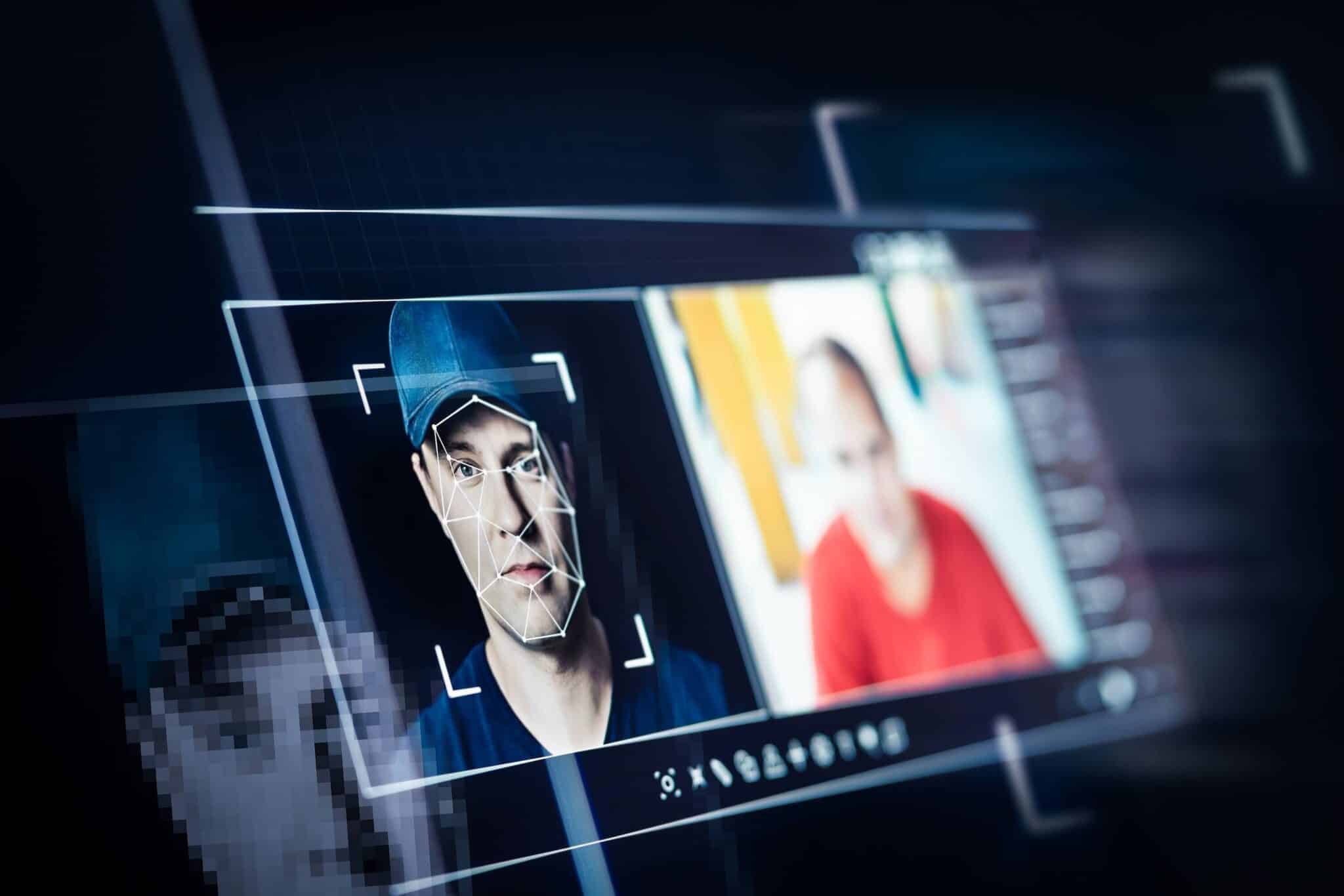
Today’s courtroom battles are best fought with an extra assist from legal technology to elevate your case. Courtroom presentation tech isn’t just for digital trial services but also for the benefit of lawyers, judges, and jurors. Using trial presentation technology can simplify difficult concepts for jurors and help the courtroom view the facts of the case to make a decision.
The Trial Concierge specializes in helping personal injury attorneys use these digital tools in trial preparation to take charge in the courtroom. Our trial consulting services include jury selection strategy, mock jury services, developing graphics, preparing witnesses, and much more. In this blog post, we discuss how new technology makes for an improved courtroom experience and why you should be using it when your cases go to trial.
The Rise of Trial Technology in Litigation
What Is Trial Presentation Technology?
Trial presentation technology refers to tools that include trial presentation software, hardware, digital exhibits, and monitors that display evidence such as videos, documents, and other demonstratives like graphs and animations in court. The use of this technology has quickly become more popular in personal injury cases as well as other civil and criminal trials.
Expert witnesses may have to relay complex information to the laypeople of the jury. For example, an accident reconstructionist can digitally recreate a car accident to show everyone in the courtroom how it occurred.
Why Trial Technology Matters Today
When proceeding with a trial, displaying a presentation through these means enhances how attorneys present complex information to the jurors. This simplifies complicated matters, providing clarity while improving speed and engagement in the jury box. Using trial technology gives lawyers a competitive advantage at trial, especially during high-stakes legal matters.
These days, trial technology is used more often than not. If you aren’t equipped to make these types of presentations, you must find dedicated support that can provide these services. This will ensure that your team provides the right message to the jury, opposing counsel, and the judge.
Tools and Equipment Used in Courtroom Presentations
Document Projection Instruments and Systems
The core trial tech tools used in a courtroom trial to show evidence typically consist of hardware that may include document projection instruments and systems with monitors, iPads, VGA connections, or other large screens for clear exhibit display. Software is also used, enabling annotation, Zoom, and real-time review of the evidence.
Additionally, integration with remote videoconferencing allows for hybrid court formats. This can reduce costs of hiring experts who live far away, as the expense for their travel to the courtroom can be eliminated.
Trial Presentation Software Features
With the right devices and software, lawyers can import and manage hundreds of items in evidence, including documents, graphics, and videos. They can also create interactive timelines that not only convey information with greater speed and efficiency but also bring it into action, which keeps jurors engaged. Slide decks and other visual evidence are also used, and these tools are compatible with most modern courtroom setups while abiding by the rules of the court.
How Trial Technology Supports the Legal Team
Helping Lawyers Stay Focused and Organized
One of the most important things to note about using trial technology is that it supports legal teams in a variety of ways. Among those ways, it streamlines trial preparation and live courtroom presentations of any case.
Technology at trial also reduces paperwork clutter and makes it easier to keep key case files readily available. You can also instantly access the critical data for any case and display exhibits that make for a more compelling presentation in the courtroom.
Educating and Persuading Jurors
Jurors benefit from these tech tools at trial, too. They help them understand technical expert testimony and facts. Since many personal injury cases often settle before trial, those that do make it to the courtroom tend to be incredibly complex. Lawyers and judges may understand what’s presented at trial, but jurors come from all walks of life.
As such, keeping jurors engaged using visual storytelling techniques, graphs, and videos makes difficult concepts easier to follow, especially when expert witnesses are trying to provide their testimony in a case.

Trial Technology in Practice
Pretrial Use: Focus Groups and Strategy Testing
Before any attorney takes these tools to trial, they should test their presentations with focus groups. This allows for refining the structure of the argument to ensure evidence is presented in a way that makes sense to those who lack this understanding.
By testing a strategy and looking to these groups for refinement, it can help support witness prep as well as exhibit sequencing, allowing for a better courtroom delivery. Additionally, lawyers can test how a variety of visuals resonate with mock jurors. If the mock jurors don’t find these presentations clear, it allows attorneys time to review their presentation and make adjustments before heading into the courtroom.
In-Trial Use: Real-Time Courtroom Support
Dedicated trial tech consultants or in-house staff can help display these presentations with the right set of equipment to the judge, jury, and the other party in the courtroom. Exhibits, videos, and synced timelines can be shown live while having the ability to respond quickly to any objections, redactions, or judge requests. It’s adaptable in the moment, making it easy to support your case.
The Trial Concierge: The Tech Court Experts
What You Need to Know About Tech in Court
While tech presentations add to your court case, it’s important to note that not all courtrooms are fully equipped. Every lawyer should familiarize themselves with the technology in the courtroom. Make sure that all software and equipment are compatible with the existing courtroom systems, or you won’t be able to display presentation videos and exhibits.
Additionally, data and documents must follow the right security protocols and meet legal standards. It helps to work with a consultant who has the expertise to support your team in person and ensure efficient exhibit display. With The Trial Concierge, you’ll have a team that knows the ins and outs of presentations through all technological means that is ready for anything.
Choosing the Right Trial Technology Team
Why Expertise and Courtroom Experience Matter
Lawyers may be experts in their areas of the law, but they may not know how to use specific tech equipment or software. Engaging an expert who is familiar with these types of services can help anticipate problems and adapt on the fly in court. They will provide support in the moment as well as educate the legal team on how to use these items in their presentation.
When you’re looking for these support services, look for teams that are familiar with the law who have courtroom experience, particularly with your case types. They should also be able to customize solutions and services based on your practice area and trial needs for a fluid and dynamic presentation that the jury will find compelling.

Final Thoughts: The Future of Courtroom Technology
Technology Is No Longer Optional—It’s Expected Because Jurors Demand Entertainment
Today’s jury members expect smooth, and they demand to be entertained through visual presentations as they have observed at home. While one can argue that the shows they’ve watched with plots involving law may be romanticized, there’s a huge degree of truth in that the field of law has incredibly relied on graphics and other screen-based methods to convey complicated pieces of evidence. They will give the bulk of their attention to the attorney who keeps them engaged throughout the trial process.
Lawyers who master trial technology position themselves in the best way to control the narrative of the case. The world today is tech-forward, and that means that the legal field needs to follow suit. If you want to take your litigation to the next level, find the support you need through The Trial Concierge.
Our expertise in visual communication and persuasion through trial tech presentation can be the boost your case needs. Graphs, diagrams, charts, illustrations, timelines, videos, and other items can be developed to your exact specifications, allowing you to connect with the jury, even when you’re presenting complex evidence.
Members of the jury may not have any understanding of the subject matter, yet they must decide for a verdict. What they decide will have a direct impact on your client’s life, and to help achieve a favorable outcome, simplifying these complicated details with a clear and understandable visual allows you to make that connection.
The Trial Concierge supports your case from beginning to end with a variety of services, including jury selection, voir dire consulting, case analysis, witness and expert preparation, and more. While most consultants stick to only jury selection, we stick with you throughout the entire process, tailoring our support to your needs and staying with you during the trial to observe the jury.
Our results are proven, helping secure a quarter of a billion dollars in verdicts and settlements in 2024 alone. We’re also the only trial consultants with medical experience, allowing us to better understand complicated injuries and the impacts they can have on your clients. Contact us today to get an undeniable advantage in your next trial case. We provide free consultations to help you learn more about our specialties.